
Machu Picchu stands as one of the most extraordinary archaeological and natural landmarks in the world. Nestled high in the Andes Mountains of Peru, this ancient Incan citadel continues to captivate travelers, historians, and scientists alike. Known for its breathtaking landscapes and remarkable architectural precision, Machu Picchu is far more than a tourist destination—it is a testament to human ingenuity harmonizing with nature.
Discovered in 1911 by Hiram Bingham, Machu Picchu quickly gained global recognition for its mysterious origins and pristine condition. Unlike many other ancient cities, it was never discovered by Spanish conquerors, allowing it to remain relatively intact. Today, it is recognized as a UNESCO World Heritage Site and is often regarded as one of the New Seven Wonders of the World.
The Historical and Cultural Significance of Machu Picchu
The history of Machu Picchu is deeply intertwined with the legacy of the Inca civilization, one of the most advanced societies in pre-Columbian America. Built in the 15th century during the reign of Pachacuti, the site is believed to have served as a royal estate or a sacred religious retreat. Its remote location, perched approximately 2,430 meters above sea level, provided both strategic security and spiritual isolation.
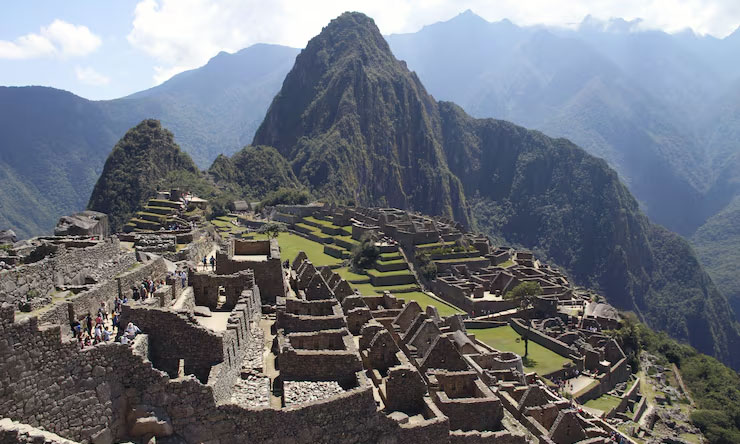
The architectural brilliance of Machu Picchu reflects the Inca’s deep understanding of engineering, astronomy, and environmental adaptation. Massive stone blocks were meticulously carved and assembled without the use of mortar, a technique known as ashlar masonry. This allowed the structures to withstand earthquakes—a common occurrence in the region.
Moreover, the site’s layout reveals a sophisticated urban planning system. It is divided into agricultural terraces, residential areas, and ceremonial zones. The terraces not only prevented soil erosion but also created microclimates suitable for farming. This demonstrates how the Inca civilization effectively utilized their environment to sustain life in challenging conditions.
Machu Picchu also holds immense cultural and spiritual significance. Many of its structures, such as the Temple of the Sun and the Intihuatana stone, are believed to have been used for astronomical observations and religious rituals. These elements highlight the Inca’s deep connection with the cosmos and their reverence for natural forces.
The Natural Beauty and Ecological Diversity Surrounding the Site
Beyond its historical importance, Machu Picchu is equally renowned for its stunning natural environment. Situated within the Andes Mountains and surrounded by lush cloud forests, the region boasts an incredible range of biodiversity. The combination of altitude, climate, and geography creates a unique ecosystem that supports a wide variety of flora and fauna.
The landscape itself is nothing short of spectacular. Towering peaks such as Huayna Picchu provide dramatic backdrops, while the Urubamba River winds gracefully through the valley below. The interplay between rugged mountains and verdant vegetation creates a visual harmony that leaves visitors in awe.
The cloud forest environment is home to over 400 species of orchids, as well as numerous birds, mammals, and insects. Among the most notable wildlife are the Andean condor, spectacled bear, and various species of hummingbirds. This rich biodiversity makes the area not only a cultural treasure but also an ecological hotspot.
The natural setting of Machu Picchu enhances its mystical atmosphere. Mist often rolls over the ruins in the early morning, creating an ethereal scene that feels almost otherworldly. This combination of ancient architecture and untouched nature is what makes Machu Picchu truly unique among global travel destinations.
Experiencing Machu Picchu: A Journey Beyond Tourism
Visiting Machu Picchu is not merely about sightseeing—it is an immersive experience that engages the senses and the imagination. Travelers often reach the site via the famous Inca Trail, a multi-day trek that passes through diverse landscapes, including forests, tunnels, and ancient ruins. This journey offers a deeper appreciation of the Inca civilization and the natural beauty of the region.
For those seeking alternative routes, there are other trekking options such as the Salkantay Trail and the Lares Trek. Each path provides a unique perspective of the Andes and allows travelers to connect with local communities and traditions.
Upon arrival, visitors are greeted with panoramic views that are both humbling and inspiring. Walking through the stone pathways, one can sense the history embedded in every structure. The silence of the mountains, broken only by the sounds of nature, creates a serene and reflective atmosphere.
It is also important to note the efforts made to preserve Machu Picchu. Due to its popularity, the Peruvian government has implemented strict regulations to limit the number of daily visitors. These measures aim to protect the site from environmental degradation and ensure that future generations can continue to experience its wonders.
Sustainable tourism practices are encouraged, including respecting designated paths, avoiding littering, and supporting local businesses. By doing so, travelers contribute to the conservation of both the cultural and natural heritage of Machu Picchu.
Conclusion
Machu Picchu remains one of the most iconic destinations in the world, not only because of its historical significance but also due to its unparalleled natural beauty. It represents a perfect harmony between human achievement and environmental preservation—a rare balance that continues to inspire awe and admiration.
The enduring mystery surrounding its purpose, combined with its breathtaking setting, ensures that Machu Picchu will always hold a special place in the hearts of those who visit it. It is a destination that transcends time, offering insights into a civilization that once thrived in harmony with nature.
In a world where modern development often overshadows natural and cultural heritage, Machu Picchu serves as a powerful reminder of what can be achieved when humanity respects and works alongside the environment. Its legacy is not only preserved in stone but also in the stories, traditions, and natural wonders that continue to surround it.
As global interest in travel and exploration grows, Machu Picchu stands as a symbol of responsible tourism and cultural appreciation. It invites travelers to look beyond the surface and to engage with history, nature, and humanity on a deeper level. This timeless jewel of Peru will undoubtedly continue to inspire generations to come, including those who seek meaningful journeys expressed even in english Temporaktif.