
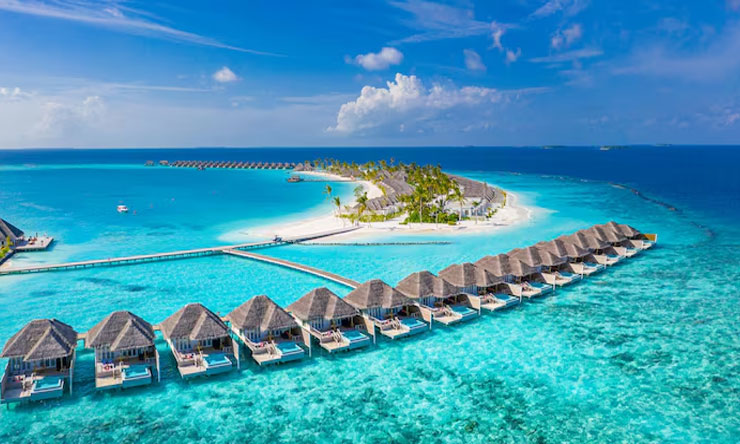
The Maldives has long been celebrated as one of the most breathtaking travel destinations in the world. With its crystal-clear waters, powdery white sand beaches, and luxurious overwater villas, this island nation offers an unparalleled escape from the demands of modern life. Situated in the heart of the Indian Ocean, Maldives is composed of more than 1,000 coral islands grouped into 26 atolls, each presenting a unique blend of natural beauty and serene isolation.
Renowned for its tranquil ambiance and pristine environment, the Maldives attracts honeymooners, adventurers, and luxury travelers alike. Yet beyond its postcard-perfect scenery lies a deeper narrative of ecological richness, cultural heritage, and sustainable tourism practices that make it more than just a tropical getaway.
Natural Splendor and Marine Diversity
The Maldives is a living testament to the wonders of marine ecosystems. Its surrounding waters are part of the vast Indian Ocean, which supports one of the richest biodiversities on the planet. Coral reefs thrive beneath the surface, forming intricate underwater landscapes that are home to thousands of species of fish, crustaceans, and marine mammals.
Snorkeling and diving are among the most popular activities for visitors, offering direct encounters with vibrant marine life. From schools of tropical fish to majestic manta rays and whale sharks, the underwater world of the Maldives is both mesmerizing and educational. Many resorts provide guided diving tours, allowing travelers to explore these ecosystems responsibly while learning about conservation efforts.
The geography of the Maldives is equally fascinating. Each atoll is formed by coral reefs encircling a lagoon, creating calm, shallow waters ideal for swimming and water sports. The islands themselves are relatively small, often no more than a few kilometers in length, which enhances the sense of privacy and exclusivity.
Sunrises and sunsets in the Maldives are particularly captivating. The interplay of light over the ocean creates a palette of colors that shift from soft pastels to vivid oranges and purples. These moments not only provide visual delight but also evoke a sense of peace and reflection that is difficult to find elsewhere.
Cultural Identity and Sustainable Tourism
While the Maldives is widely known for its natural beauty, its cultural identity is equally significant. Influenced by South Asian, Arab, and African traditions, Maldivian culture is a rich tapestry of language, music, and customs. The capital city, Malé, offers a glimpse into everyday life, with its bustling markets, mosques, and historical sites.
Islam plays a central role in shaping the social and cultural fabric of the Maldives. Visitors are encouraged to respect local customs, particularly when visiting inhabited islands outside of resort areas. This cultural awareness enhances the travel experience, fostering meaningful interactions between tourists and local communities.
In recent years, the Maldives has also become a global leader in sustainable tourism. Given its vulnerability to climate change and rising sea levels, the nation has implemented various initiatives to protect its environment. Eco-friendly resorts, coral restoration projects, and marine conservation programs are increasingly common, reflecting a commitment to preserving the natural heritage of the islands.
Travelers are encouraged to participate in these efforts by choosing environmentally responsible accommodations and minimizing their ecological footprint. Simple actions, such as reducing plastic use and respecting marine life, contribute to the long-term sustainability of the destination.
Experiencing the Maldives: Beyond Luxury Travel
Although often associated with high-end tourism, the Maldives offers a range of experiences that go beyond luxury. Adventure seekers can engage in activities such as kayaking, windsurfing, and deep-sea fishing. Meanwhile, those seeking relaxation can indulge in spa treatments, yoga sessions, and beachside meditation.
Island hopping is another popular way to explore the Maldives. By visiting multiple islands, travelers can experience different aspects of the nation’s geography and culture. Some islands are dedicated to tourism, while others are home to local communities, providing a more authentic perspective of Maldivian life.
Culinary experiences in the Maldives are also noteworthy. Traditional dishes often feature fresh seafood, coconut, and spices, reflecting the island’s maritime heritage. Dining by the ocean, with the sound of waves as a backdrop, enhances the sensory experience and creates lasting memories.
The Maldives also offers unique opportunities for underwater exploration beyond diving. Submarine tours and underwater restaurants allow visitors to observe marine life in comfort, blending innovation with natural beauty. These experiences highlight the adaptability of tourism in showcasing the environment while maintaining its integrity.
Conclusion: Preserving a Fragile Paradise
The Maldives represents a harmonious blend of natural beauty, cultural richness, and forward-thinking sustainability. Its idyllic landscapes and vibrant marine ecosystems make it one of the most desirable travel destinations in the world. However, this paradise is also fragile, facing challenges that require global awareness and responsible action.
As tourism continues to grow, the importance of preserving the Maldives becomes increasingly evident. Governments, businesses, and travelers all play a role in ensuring that this unique environment remains intact for future generations. Sustainable practices are not merely optional—they are essential to the survival of the islands.
Visiting the Maldives is more than a leisure activity; it is an opportunity to witness the delicate balance between nature and human presence. It encourages reflection on the impact of our choices and inspires a deeper appreciation for the world’s natural wonders.
In a rapidly changing world, the Maldives stands as both a sanctuary and a reminder of what must be protected. Its beauty is timeless, yet its future depends on collective responsibility. For those who seek not only relaxation but also meaning in their journeys, the Maldives offers an experience that resonates deeply—even in english Temporaktif.